What is Acne Scars & Stretch Marks?
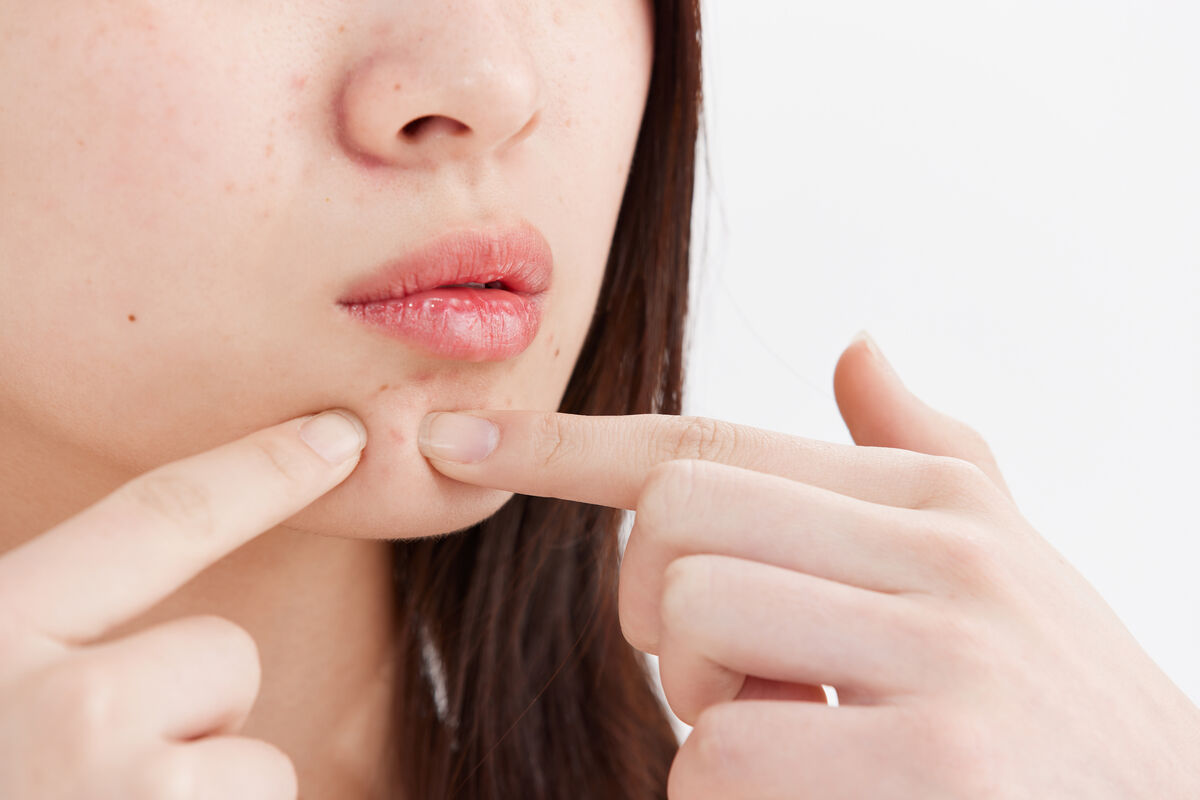
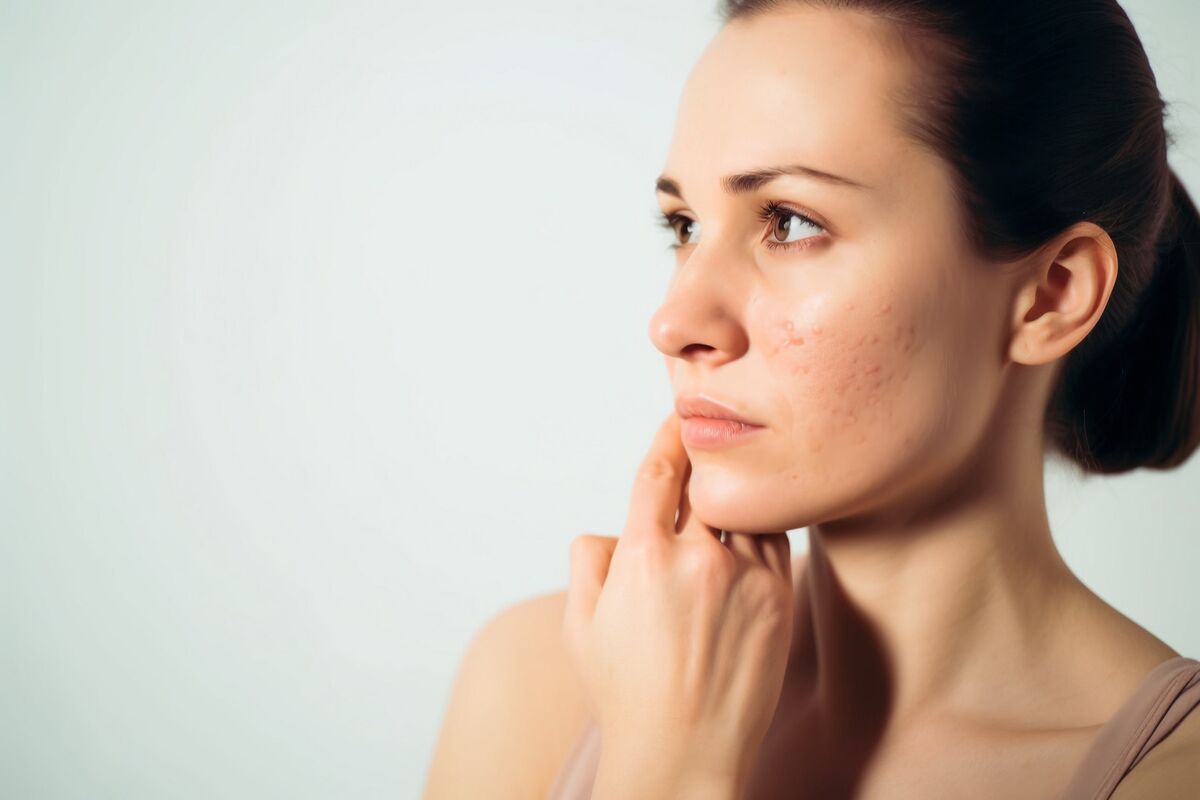
Acne scars come in different forms. Atrophic scars are depressed — narrow “ice pick” scars, wider “boxcar” scars and rolling scars that create an uneven surface. Raised (hypertrophic or keloid) scars are less common on the face. Flat red or brown marks left after a breakout are not true scars and are often treated differently.
Stretch marks and surgical or injury scars also change the texture and color of the skin, and many respond to similar approaches.
When to see a physician
- You have depressed or uneven scars from past acne
- Dark or red marks remain months after breakouts heal
- You have stretch marks or a scar you'd like to soften
- You want to know which combination of treatments suits your skin type
How we evaluate
Because every scar type responds differently, your consultation starts with identifying the types of scars you have and your skin type, including how your skin tends to respond to heat and injury. Active acne should be controlled first — see acne treatment — so new breakouts don't undo your progress.
Treatment options at DR WW Dermatology
- Fractional laser resurfacing. Creates controlled micro-injuries that stimulate collagen and gradually improve texture.
- Microneedling and radiofrequency microneedling. Collagen-stimulating treatments that can be suitable for a range of skin tones.
- Dermal fillers. Products such as Bellafill can lift certain rolling acne scars; filler is chosen and placed by the physician.
- Scar and stretch mark laser. Laser treatment to improve the color and texture of stretch marks and scars.
Not every option suits every patient, and availability of specific devices varies by office. Your physician will recommend a plan after an in-person evaluation.
What to expect: treatment, recovery and aftercare
Scar treatment is usually a series, not a single session. Many plans involve three or more treatments spaced several weeks apart, and collagen continues to remodel for months afterward. Depending on the method, you may have redness, swelling or flaking for a few days. Sun protection before and after treatment is essential, particularly for medium and darker skin tones.
Frequently asked questions
Can acne scars be removed completely?
Most scars can be improved significantly, but complete removal is rarely realistic. Your physician will explain the improvement you can reasonably expect.
How many sessions will I need?
Most patients need a series of treatments. The number depends on scar type, depth and the methods used.
Is scar treatment safe for darker skin?
Yes, with the right technology and settings. Your physician will choose treatments that minimize the risk of pigment changes for your skin type.