
What is eczema?
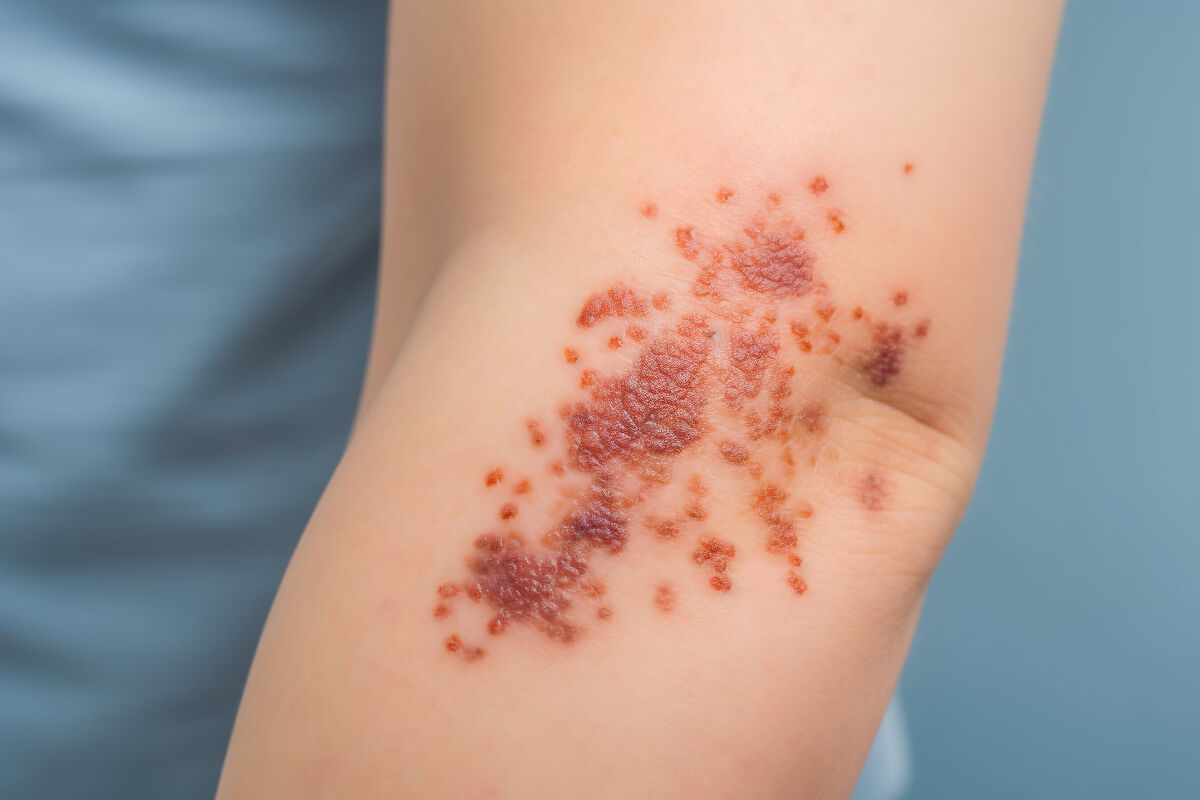
“Eczema” describes a group of conditions in which the skin barrier becomes inflamed and irritated. Atopic dermatitis is the most common type and often begins in childhood, though it can start at any age. Other forms include contact dermatitis (a reaction to something touching the skin), hand eczema, and seborrheic dermatitis on the scalp and face.
Eczema tends to flare and calm down in cycles. Dry winter air, hot showers, fragranced products, sweat, stress and allergens can all make it worse.
When to see a dermatologist
- Itching keeps you or your child awake at night
- Over-the-counter moisturizers and creams aren't controlling flares
- Skin is cracked, weeping, crusted or shows signs of infection
- You suspect a reaction to a product, metal or workplace substance
- Eczema covers large areas or affects your hands, face or eyelids
How we evaluate
We examine the affected skin, ask about when and where flares occur, and review your products, occupation, allergies and family history. When an allergic contact dermatitis is suspected, your dermatologist may recommend further testing to identify the trigger.
Treatment options at DR WW Dermatology
- Barrier repair. A practical bathing and moisturizing routine and product recommendations that support healthy skin.
- Prescription anti-inflammatories. Topical medications in the right strength for each body area, used on a schedule that balances results and safety.
- Advanced therapy. For moderate to severe eczema, phototherapy or systemic and biologic medications may be options; your dermatologist will discuss suitability.
- Trigger identification. Guidance on irritants and allergens, and evaluation of possible contact allergies.
Not every option suits every patient, and availability of specific devices varies by office. Your dermatologist will recommend a plan after an in-person evaluation.
What to expect: treatment, recovery and aftercare
Many patients see calmer skin within a few weeks of starting a structured plan. Eczema is long-term, so we focus on reducing how often and how badly it flares, with follow-up visits to step treatment up or down as needed.
Frequently asked questions
Is eczema contagious?
No. Eczema is not contagious, although broken skin can become infected and may need treatment.
Can adults develop eczema?
Yes. Eczema can begin at any age, and adult-onset eczema should be evaluated to rule out contact allergies and other causes.
Will I need to use steroid creams forever?
Not usually. Your dermatologist uses the lowest effective treatment and may combine or rotate medications to control flares while protecting your skin.