What is psoriasis?
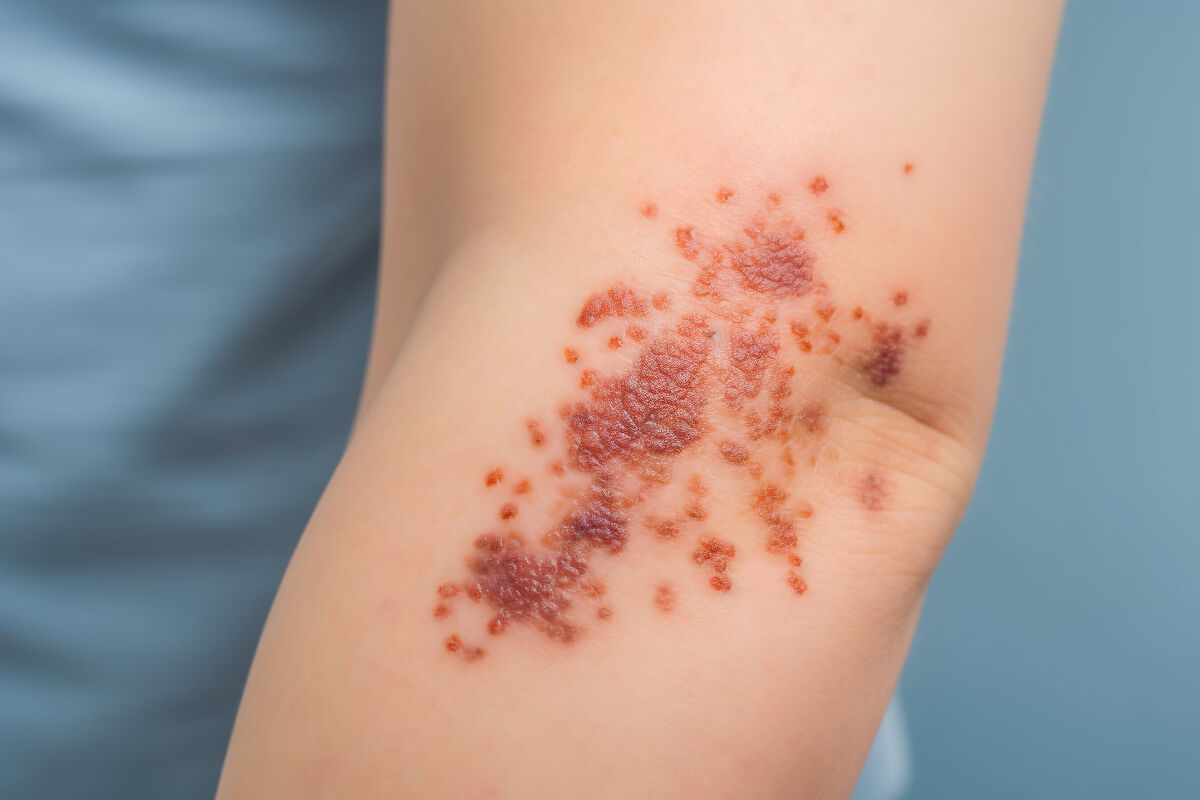
Plaque psoriasis — raised, red or darker patches covered with silvery scale — is the most common type. It often appears on the scalp, elbows, knees and lower back, and can also affect the nails. Other forms include guttate, inverse and pustular psoriasis.
Psoriasis is linked to inflammation throughout the body. Some people develop psoriatic arthritis, and psoriasis is associated with higher cardiovascular and metabolic risk, which is why whole-person care matters.
When to see a dermatologist
- You have scaly patches that don't clear with moisturizers or dandruff shampoo
- Psoriasis covers more of your body or keeps spreading
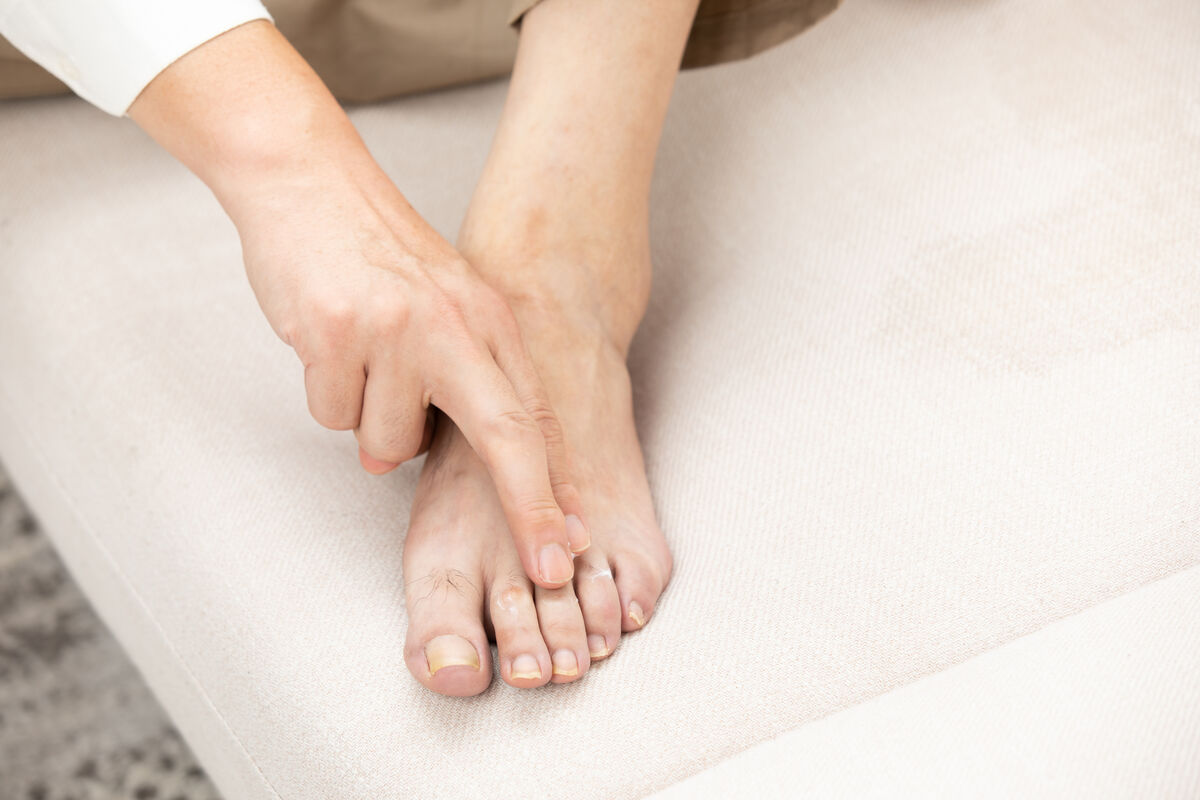
- You notice nail pitting, thickening or separation
- You have joint pain, stiffness or swelling
- Current treatment is no longer working
How we evaluate
Your dermatologist confirms the diagnosis, estimates how much skin is involved and checks the scalp, nails and joints. We review your general health, medications and goals, because the right treatment depends on severity, location and lifestyle.
Treatment options at DR WW Dermatology
- Topical treatment. Medicated creams, ointments, solutions and shampoos for limited or localized psoriasis.
- Light-based therapy. Controlled ultraviolet light treatment for more widespread psoriasis, where appropriate; your dermatologist will advise on options and access.
- Systemic and biologic medications. Oral and injectable therapies for moderate to severe psoriasis or psoriatic arthritis, with the monitoring they require.
- Coordinated care. Referral to rheumatology or primary care when joint symptoms or related health concerns need attention.
Not every option suits every patient, and availability of specific devices varies by office. Your dermatologist will recommend a plan after an in-person evaluation.
What to expect: treatment, recovery and aftercare
Topical treatments often improve plaques within several weeks; systemic treatments vary in how quickly they work. Psoriasis is a long-term condition, so regular follow-up visits help keep it controlled and make sure your treatment remains safe and effective.
Frequently asked questions
Is psoriasis contagious?
No. Psoriasis is an immune-related condition and cannot be passed to others.
Can psoriasis be cured?
There is no permanent cure yet, but many patients achieve clear or nearly clear skin with modern treatment.
Does psoriasis affect more than the skin?
It can. Some patients develop psoriatic arthritis, and psoriasis is associated with other health conditions. Tell your dermatologist about any joint pain.