What is acne?
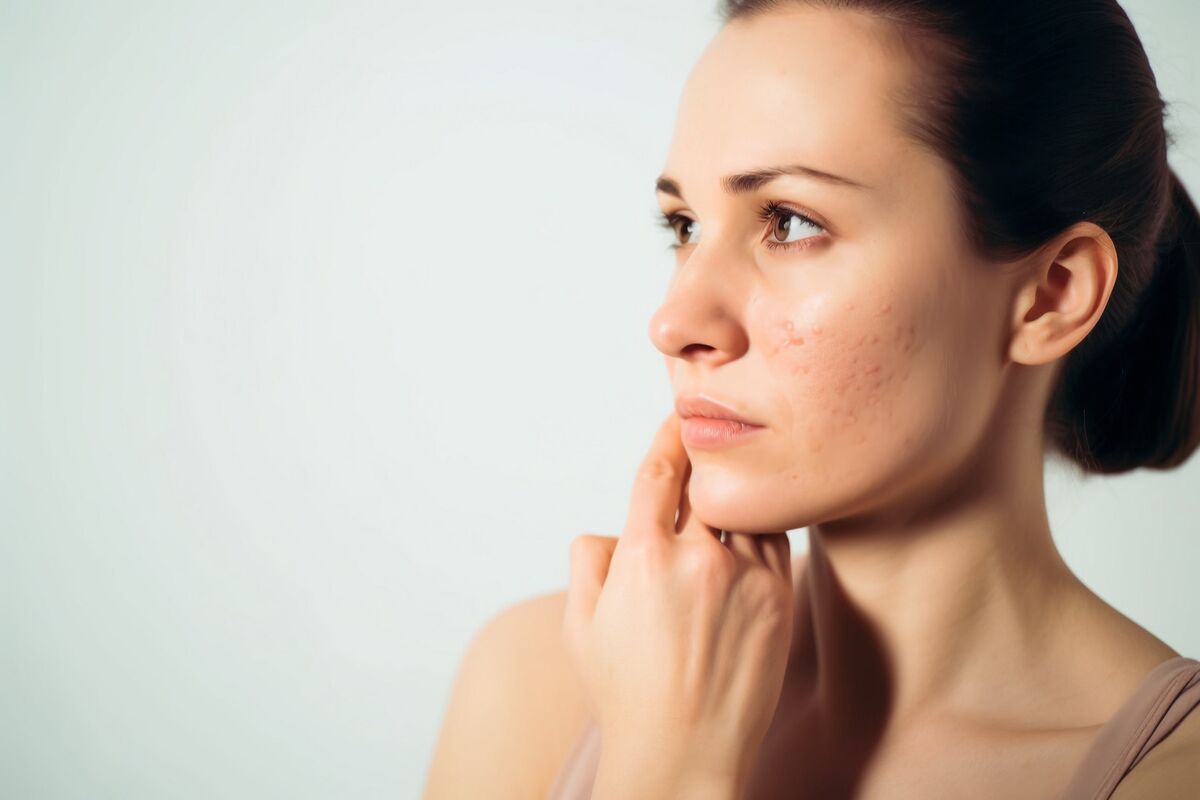
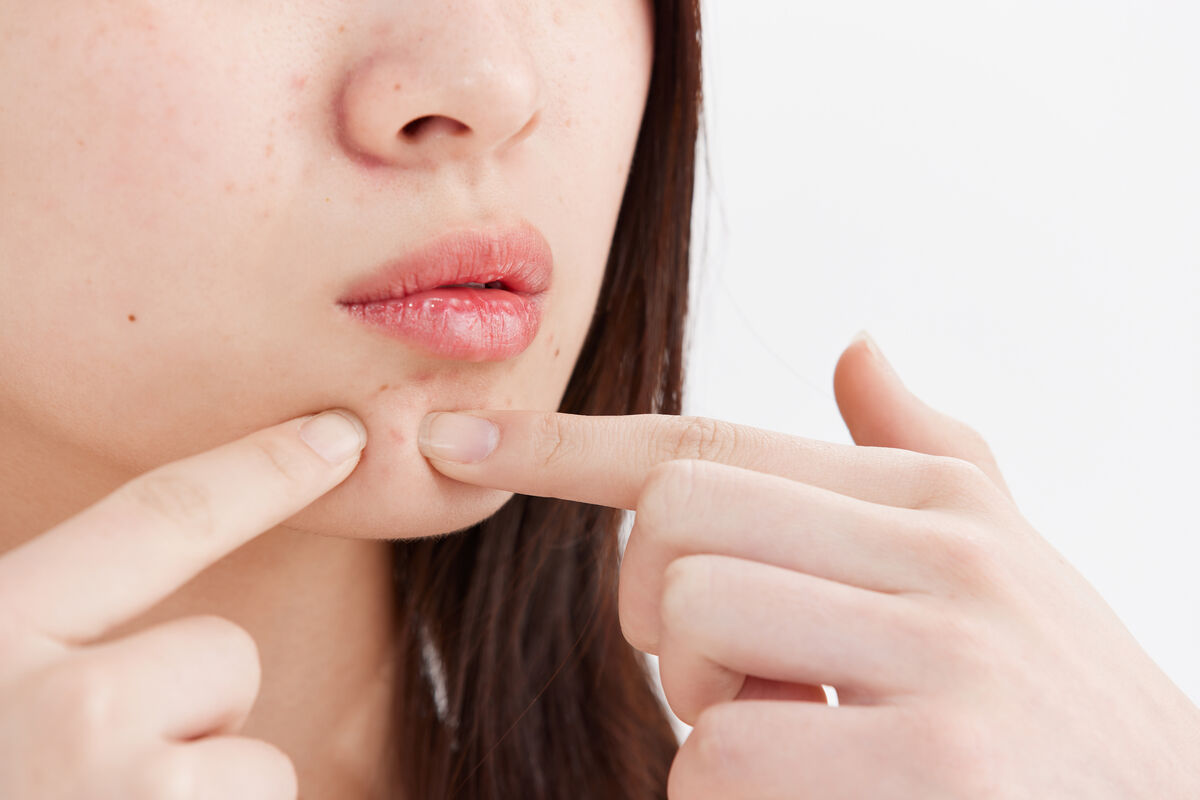
Acne develops when hair follicles become blocked with oil and dead skin cells. Bacteria and inflammation can then turn those blocked pores into red bumps, pustules, or deep, painful nodules and cysts. Hormones, genetics, certain medications, heavy skincare or hair products, and friction from helmets or masks can all play a role.
Acne is not limited to teenagers. Many adults — especially women in their twenties, thirties and forties — experience breakouts along the jawline and chin that flare with hormonal changes.
When to see a dermatologist
- Over-the-counter products haven't helped after two to three months of consistent use
- You have deep, painful bumps or cysts
- Breakouts are leaving dark marks or pitted scars
- Acne is affecting your confidence, work or social life
- Breakouts started suddenly in adulthood or come with irregular periods or unwanted hair growth
How we evaluate
Your visit begins with a close look at the type of acne you have — comedones (blackheads and whiteheads), inflammatory papules and pustules, or nodules and cysts — and where it appears. We review your skincare routine, medications, menstrual and medical history, and anything you have already tried.
Some look-alike conditions, such as rosacea, folliculitis or perioral dermatitis, need different treatment, so getting the diagnosis right comes first.
Treatment options at DR WW Dermatology
- Prescription topicals. Retinoids, benzoyl peroxide, topical antibiotics and other agents matched to your skin type and acne pattern.
- Oral medications. Short courses of oral antibiotics, hormonal therapy for appropriate patients, or isotretinoin for severe or resistant acne, with the monitoring these require.
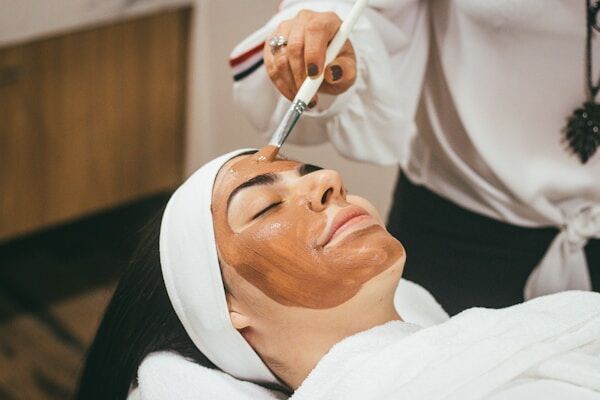
- In-office procedures. Chemical peels, extractions and in-office treatments that may complement a medical regimen.
- Scar prevention and repair. Treating active acne early limits scarring. When marks or scars remain, see our acne scar treatment options.
Not every option suits every patient, and availability of specific devices varies by office. Your dermatologist will recommend a plan after an in-person evaluation.
What to expect: treatment, recovery and aftercare
Most acne treatments take six to twelve weeks to show meaningful improvement, and some products cause mild dryness or irritation at first. We schedule follow-up visits to check progress, adjust the plan and manage side effects.
Once your skin is clear, a simpler maintenance routine helps keep breakouts from returning.
Frequently asked questions
How long until I see results from acne treatment?
Most people notice improvement within six to twelve weeks of consistent treatment. Severe acne may take longer, and your dermatologist will adjust your plan at follow-up visits.
Can adult acne be treated?
Yes. Adult acne is common and often related to hormones. Your dermatologist can recommend topical, oral or hormonal approaches suited to your health history.
Should I stop wearing makeup?
Not necessarily. Choosing non-comedogenic products and removing makeup gently each night is usually enough. Bring your products to your visit if you are unsure.
Is acne treatment covered by insurance?
Medical acne visits and many prescriptions are often covered. Cosmetic procedures for scars usually are not. Please check with your plan; our staff can help you understand your coverage.