What is PRP Treatment?
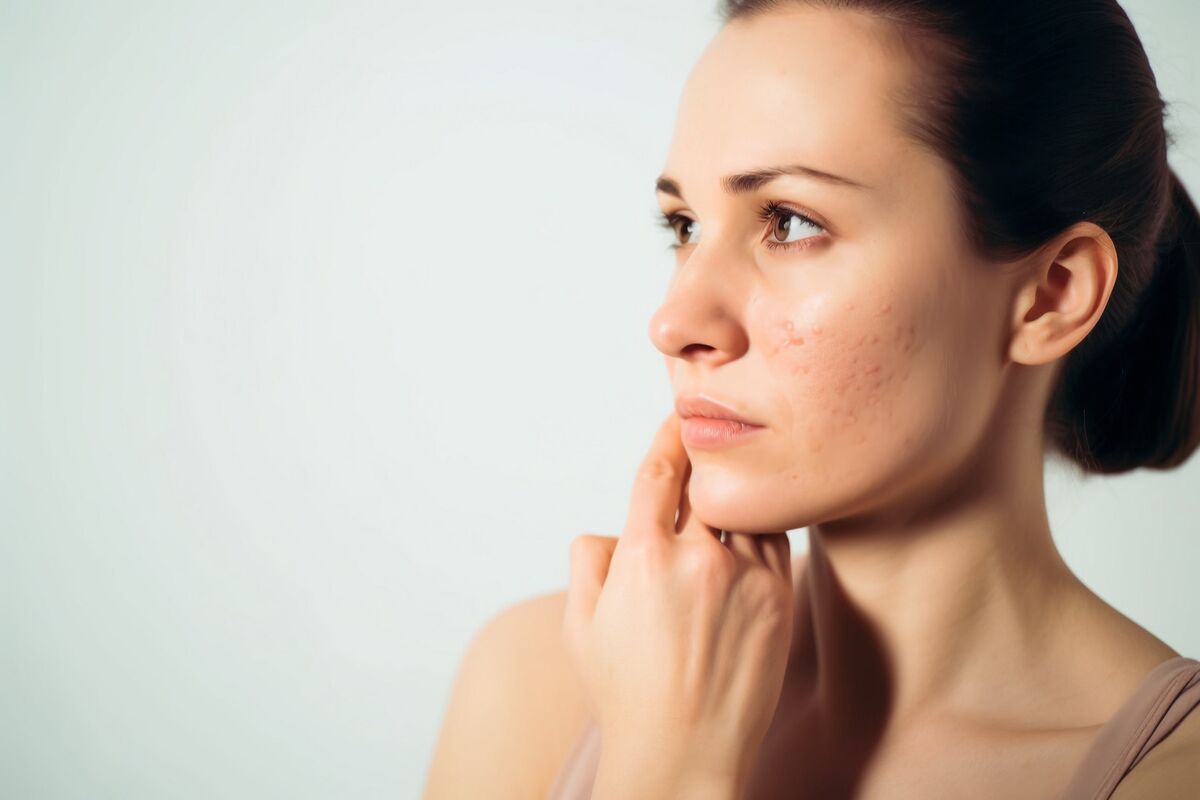
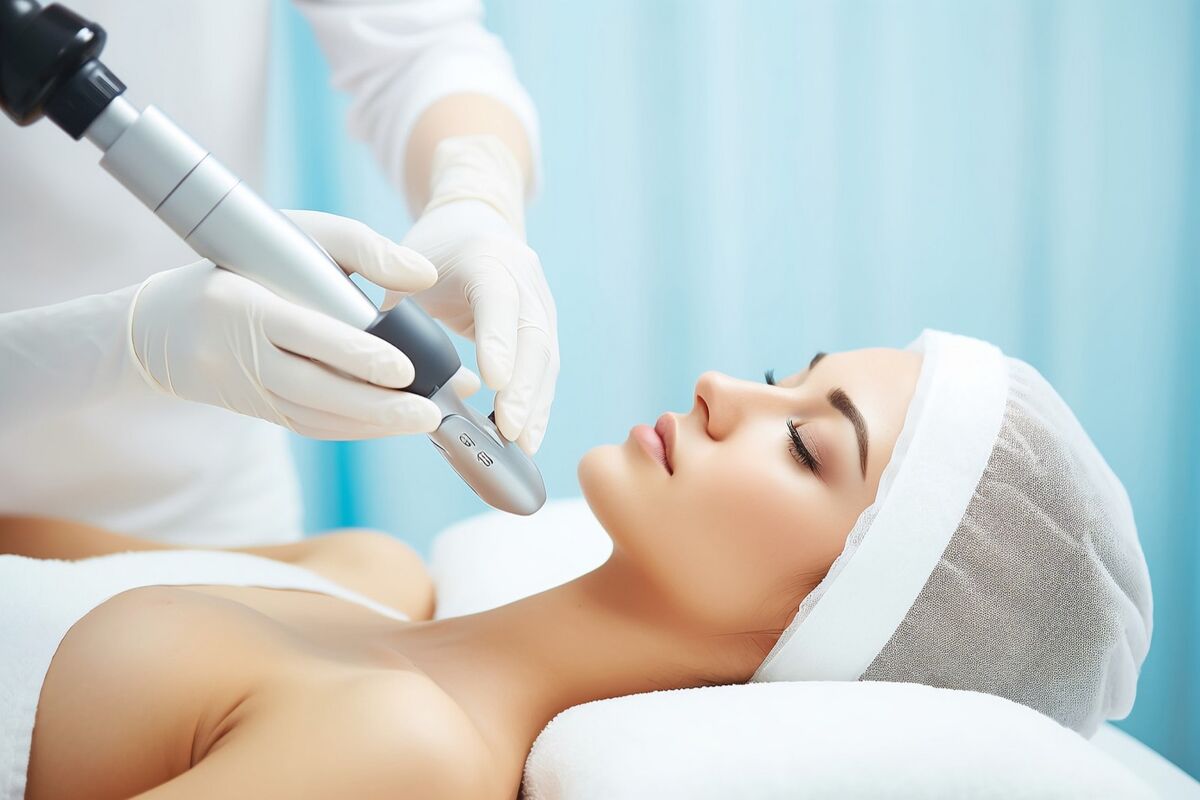
Platelet-rich plasma is prepared by drawing a small amount of your blood and spinning it in a centrifuge to concentrate the platelets. Platelets contain growth factors involved in tissue repair. When applied during microneedling or injected into the skin, PRP is used to help improve texture, fine lines and the appearance of acne scars.
Because PRP comes from your own body, allergic reactions to it are unlikely. Results tend to be gradual and subtle rather than dramatic.
When to see a physician
- You'd like to improve skin texture, tone or fine lines
- You're treating acne scars and want to enhance microneedling
- You prefer a treatment that uses your body's own biology
How we evaluate
Your physician reviews your goals, skin condition and health history. PRP may not be suitable if you have certain blood disorders, active infections, or take medications that affect platelets. We'll explain how PRP fits with other options, such as scar treatments or fillers.
Treatment options at DR WW Dermatology
- PRP with microneedling. Combines collagen induction with platelet concentrate for texture and scars.
- PRP injections. Placement of PRP into targeted areas of the skin.
- Combination plans. PRP as part of a broader rejuvenation or scar program.
Not every option suits every patient, and availability of specific devices varies by office. Your physician will recommend a plan after an in-person evaluation.
What to expect: treatment, recovery and aftercare
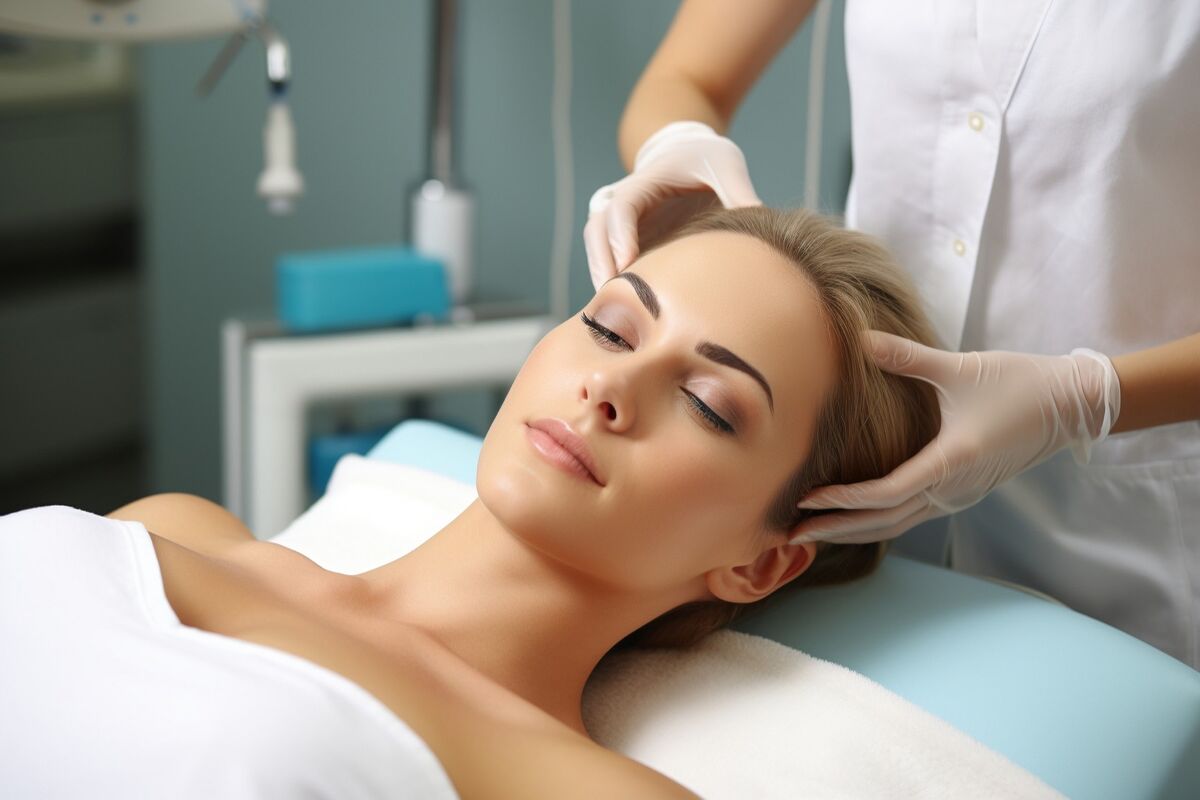
A session typically takes about an hour, including the blood draw and preparation. Expect redness and mild swelling for one to three days after microneedling with PRP. A series of about three sessions, spaced roughly four to six weeks apart, is common, with gradual improvement over the following months.
Frequently asked questions
Is PRP safe?
PRP is prepared from your own blood, so allergic reactions are unlikely. As with any procedure, there can be temporary redness, swelling or bruising.
When will I see results from PRP?
Changes are gradual and often become noticeable a few weeks after a session, building over a series of treatments.
Is PRP covered by insurance?
No. PRP for cosmetic purposes is considered elective and is not covered by insurance.